

Short answer: budget fitness trackers are accurate enough for step counting and sleep tracking, but their heart-rate accuracy drops noticeably during exercise — especially at high intensity. For casual daily tracking, the accuracy gap barely matters; for structured training with heart-rate zones, it does.
How much less accurate is a budget tracker's heart-rate reading during exercise?
Budget optical heart-rate sensors show meaningfully larger errors under load — one comparison found budget trackers under $100 averaging roughly 8.2% error on heart-rate readings during outdoor runs, versus about 2.1% error for premium models, largely due to simpler sensor hardware and LED calibration (Trackverity, Budget vs Premium Fitness Trackers). Separately, budget devices have been shown to miss accurate readings specifically during strength-training intervals, where motion creates more sensor interference than steady-state cardio.
Does this mean budget trackers are unreliable overall?
No — the accuracy gap is concentrated in exercise-intensity heart-rate readings, not general use. Wrist-based monitors of any price tier are more accurate at rest than during exercise, and for step counting and sleep tracking specifically, one pilot study found price didn't meaningfully affect accuracy at all ("Reliability of fitness trackers at different prices for measuring steps and heart rate: a pilot study") — a genuinely mixed picture worth stating plainly rather than oversimplifying in either direction.
At what point does the accuracy gap actually justify spending more?
Research comparing tiers found the accuracy jump from budget to mid-range devices is larger than the jump from mid-range to premium — meaning the first step up is where most of the accuracy improvement happens. If you're doing structured training with heart-rate zones (not just casual activity tracking), a mid-range device is closer to the accuracy threshold that matters; if you're tracking daily steps, sleep, and general activity, a budget tracker does the job.
What should this mean for buying a fitness smartwatch in Kenya?
Match the device to what you'll actually use it for. If you want a rough daily activity picture — steps, sleep, basic heart-rate trend — a budget smartwatch delivers that reliably. If you're training seriously with heart-rate-zone workouts, know that a budget device's readings during hard efforts will run higher-error than a premium one's, and plan your training zones with that margin in mind rather than trusting the number to the decimal point.
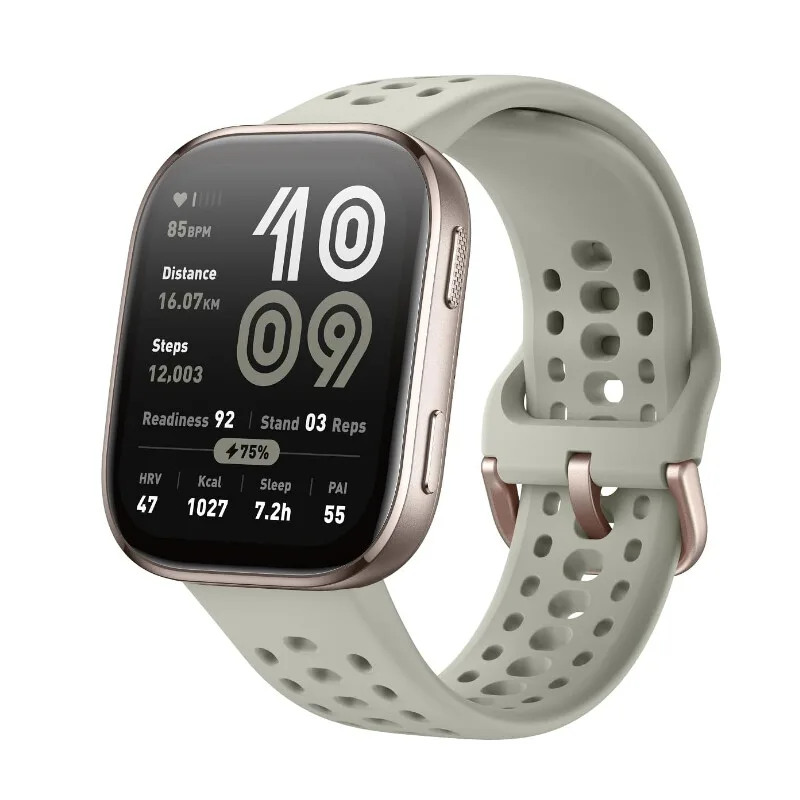
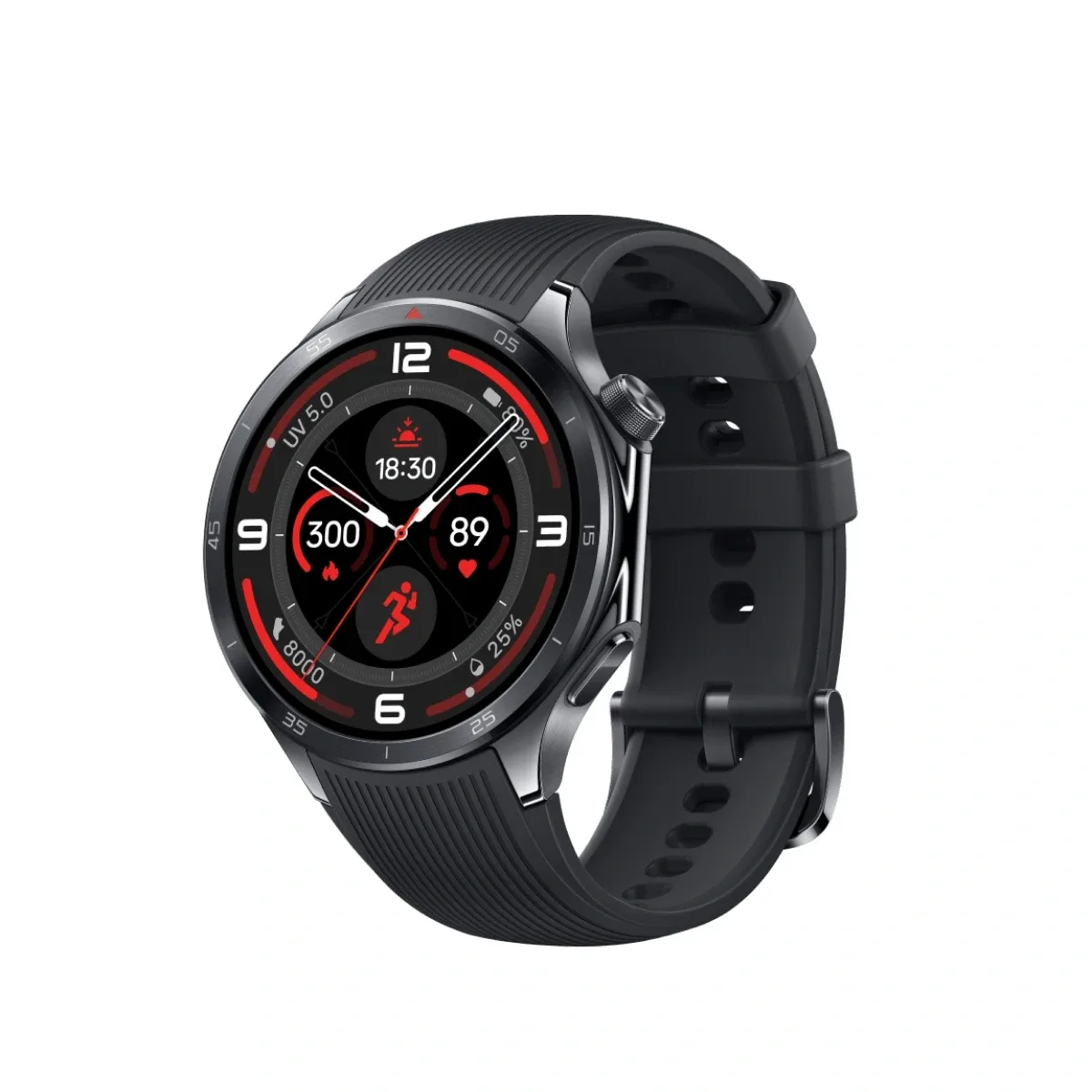
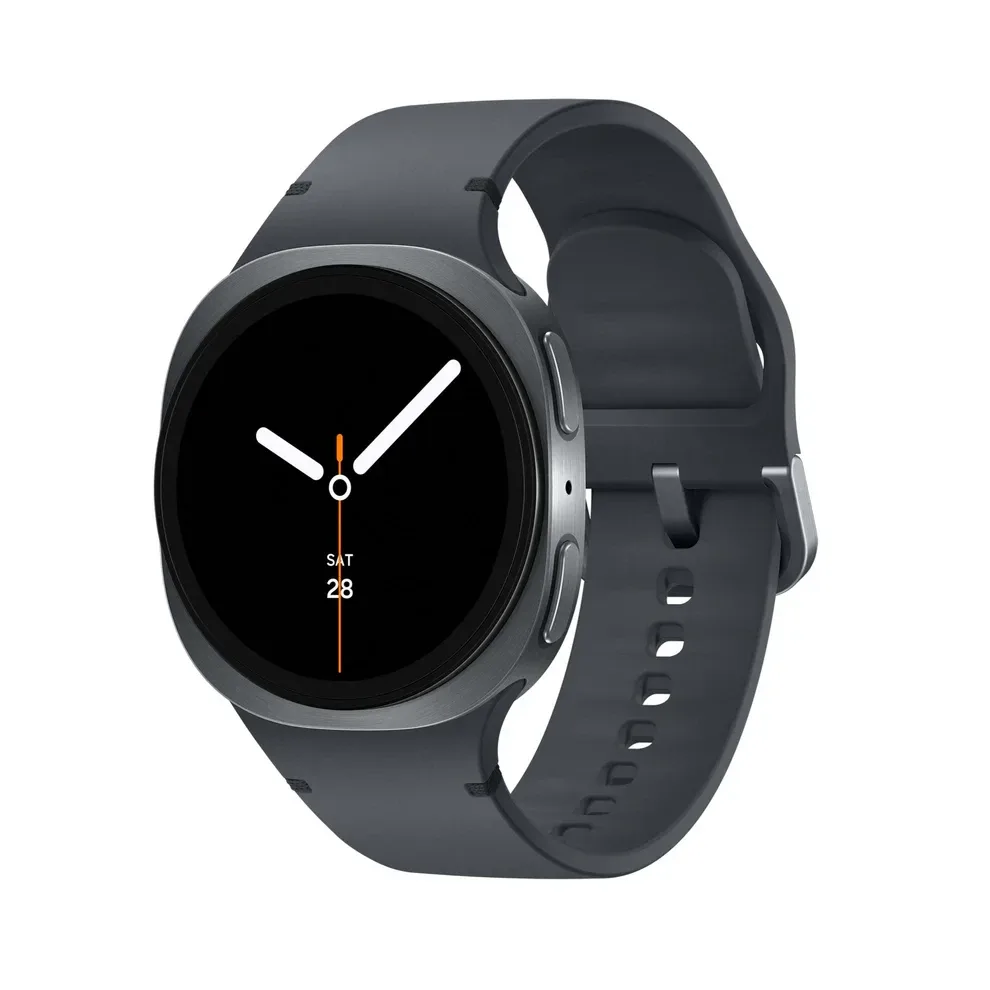
See our Best Smartwatches Under KES 5,000 in Kenya guide for what else to check at this price point, or browse Samsung SmartWatch — the largest smartwatch selection currently in Nimax's catalog.
Questions about a specific model's fitness features? Contact us before you order.

Comments (0)
No comments yet. Be the first to share your thoughts!